In recent years, the widespread use of plastics in daily life and human contact with their harmful compounds, which affect the hormonal system, has raised significant concerns. Endocrine-disrupting compounds include both natural and synthetic substances that alter the normal function of hormones. Manufacturers add phthalates to plastics to make them soft and flexible.
What are Phthalates and How Do They Threaten Human Health?
Since phthalates do not bind chemically to the plastic matrix, they gradually migrate into water or food over time. Some of them, such as DEHP, DBP, and BBP, are well-known and harmful. Exposure to phthalates can lead to breast cancer, reproductive hormonal disorders, obesity, and reduced function of enzymes related to the maturation of germ cells.
The Status of Plastic Bottles in the Iranian Market and the Challenge of Heat
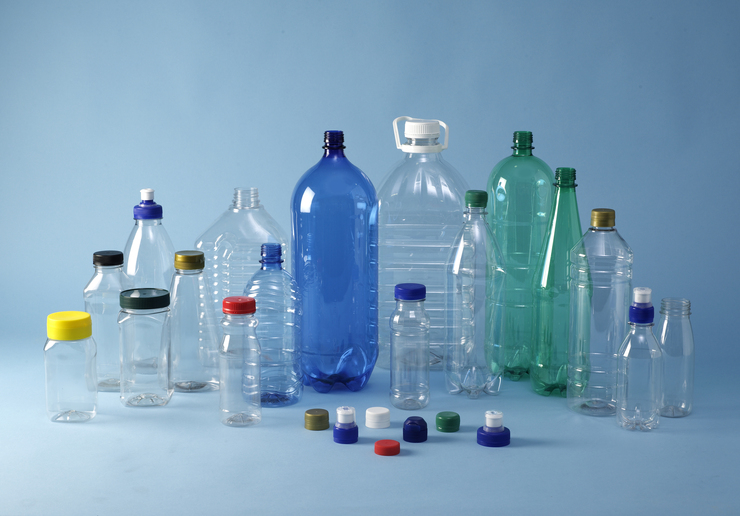
- In Iran, PET bottles are used for packaging water and beverages due to their low cost and easy accessibility. Exposing bottles to direct sunlight and ambient heat increases the temperature inside them, raising the probability of phthalate entry into the beverages.
- Multiple factors determine the rate of phthalate migration. High temperature, long-term contact with the beverage, the type of liquid inside the bottle and its chemical composition, as well as the reuse of plastic bottles, are the most significant factors. Acidic and fatty beverages accelerate phthalate migration because these compounds dissolve better in similar chemical environments.
- Research indicates that temperature increase is not the only factor; even long-term storage in relatively cool conditions can lead to the slow entry of phthalates into the beverage. Furthermore, some studies have examined phthalate levels in various beverages with different compositions and shown that beverages containing additives and high sugar content accelerate phthalate migration.
Laboratory Findings: Analysis of Phthalate Concentration in Various Products
Researchers worldwide have measured phthalate levels in beverages packaged in PET bottles. The results of these studies show that phthalate levels vary depending on storage conditions and the reuse of bottles.
Concentrations of various phthalates in liquids stored in PET bottles across several studies:
- Whole Milk (2004): DBP between 7.3 to 50.3 μg/kg, BBP between 1.11 to 2.93, DEHP between 15.1 to 27.2.
- Olive Oil (2008): DBP less than 490 μg/kg, BBP less than 1750, DEHP less than 4700.
- Cow’s Milk (2005): DBP between 4.07 to 9.79, DEHP between 8.4 to 282.9.
- Olive Oil (2010): DBP less than 175, BBP between 87 to 211, DEHP between 198 to 240.
- Mineral Water (2003): DBP between 0.32 to 0.51 μg/L, DEHP between 0.57 to 0.65.
- Mineral Water (2007): All phthalates were below the detection limit.
Studies have specified that high temperature, storage duration, and frequent reuse of bottles increase the rate of phthalate migration. For example, a study in Hungary found DEHP as the most common phthalate in samples, with some phthalate concentrations ranging from a few ng/L to over 170 ng/L. Additionally, reviews showed that heating food in plastic containers and increasing the duration of heat exposure leads to an increase in DBP levels in food. Beverages and food items with specific chemical compositions, especially acidic or fatty ones, accelerate phthalate migration.
Scientific Analysis of the Mechanism of Phthalate Separation from the Polymer Matrix
- Phthalates, common plasticizers in the plastic industry, do not chemically bond to the polymer matrix. This lack of bonding allows them to easily transfer into food or beverages in contact with the plastic bottle. The serious health effects of phthalates have drawn significant attention from researchers and health authorities. The migration process of phthalates from the PET bottle wall to its contents depends on various factors, including the concentration of phthalates in the packaging material, the acidity and fat content of the substances inside the bottle, the duration of liquid contact with the bottle wall (storage time), the ambient storage temperature, and exposure to sunlight.
- The specific chemical characteristics of DEHP, DBP, and BBP can influence their migration behavior. Under real-world conditions, these compounds are more likely to transfer to food or beverages. Furthermore, the contact time between the PET bottle and its contents plays a crucial role in chemical migration. Prolonged contact at higher temperatures can increase the migration rate, leading to elevated phthalate levels in stored food or beverages. Additionally, the characteristics of the contents, such as pH and the presence of additives, also play an important role in phthalate migration.
Table 2: Summary of key study results regarding factors affecting phthalate migration from plastic bottles to their contents
| Authors (Year) | Analytical Method | Key Findings |
| Seyhan et al. (2022) | ELISA | Storage conditions, particularly elevated temperatures and sunlight exposure, significantly influence the migration of chemical substances from PET bottles. |
| Sreedhashyam et al. (2022) | LC/APPI/HR-MS | Increased storage time and temperature lead to a significant rise in the migration levels of phthalates and bisphenols. |
| Wang et al. (2023) | GC–MS | Temperatures above 80 °C and the presence of fatty food simulants markedly increase migration rates. |
| Evarist et al. (2024) | HPLC | Temperature and storage duration significantly affect phthalate migration; repeated bottle reuse may further enhance phthalate release. |
Abbreviations: ELISA: Enzyme-Linked Immunosorbent Assay; LC/APPI/HR-MS: Liquid Chromatography/Atmospheric Pressure Photoionization/High-Resolution Mass Spectrometry; GC-MS: Gas Chromatography-Mass Spectrometry; HPLC: High-Performance Liquid Chromatography; PET: Polyethylene Terephthalate.
The Risk of Improper Warehousing and Solar Radiation in Iran
- Phthalates and other chemical compounds can migrate from PET bottles into beverages and food; external factors such as temperature, storage duration, and content type determine the extent of this migration. Studies have shown that bottles designed for edible oil contain higher levels of phthalates compared to water bottles, and temperature and storage duration have the greatest impact.
- High temperature causes faster degradation of plastic polymers and increases the movement of chemical additives, resulting in increased phthalate release. The issue worsens when sunlight directly hits the bottles. In Iran, due to space limitations, some vendors and consumers store bottles and packaged materials in open spaces, which increases the risk of phthalate migration.
- In addition to phthalates, temperature and storage time can also increase the migration of other hazardous compounds such as Bisphenol A and Antimony. For example, increasing the temperature and storage duration of bottles significantly increases the migration of these compounds into water or beverages. Furthermore, reusing bottles for acidic or fatty beverages can increase phthalate emission.
Control Strategies and Recommendations for Producers and Consumers
To reduce the risk of phthalate migration, manufacturers should use high-quality PET materials with the lowest possible phthalate content. Storing and transporting bottles in cool environments away from direct sunlight is crucial. Keep storage short, and design distribution and sales to prevent long-term warehousing of bottles. Limit bottle reuse, especially for acidic or fatty liquids. Using temperature-controlled vehicles and appropriate packaging that does not exert physical pressure on the bottles can help reduce the release of harmful compounds and increase product safety for consumers.
Final Conclusion and the Necessity of Health Supervision
Previous studies show that factors such as high storage temperature, exposure to direct sunlight, long contact duration between the beverage and the bottle wall, and the reuse of bottles significantly cause the migration of harmful compounds, including phthalates, from PET walls into beverages.
To mitigate these risks, health authorities and regulatory organizations should create policies and guidelines that ensure beverage producers maintain proper storage conditions for PET bottles. Furthermore, public education and informing consumers, distributors, and vendors about correct storage and usage methods for bottles are essential. These actions can reduce the emission of harmful compounds and increase the safety of packaged beverages.
Read more: